

If you were to believe all the ChatGPT generated slop on LinkedIn, you’d be convinced that to lead effectively, you must maintain a certain image that’s calm, authoritative, and in control. ALWAYS. From this perspective, leadership, and so-called “executive presence”, is a performance you put on.
I’m obviously exaggerating, but this kind of impression management is indeed a necessary hazard of the job, and sometimes precisely what’s needed. Not always though, and it’s only one dimension.
When done exclusively, these conventional notions sabotage our ability to connect, and ultimately effectiveness. Many leaders learn this the hard way, especially as they move into senior roles where an inability to adapt leads to derailment.
Carl Rogers — one of the foremost psychologists of the 20th century — proposed a different worldview that challenges these conventional notions. For example:
- The more we try to manipulate others, the less likely they are to change.
- We are most effective not when we are perfectly consistent, but when we are "transparently real"— even if that reality means being annoyed, bored, or uncertain.
In today’s piece, I share a few of Rogers’ key ideas that challenge common notions we assume as givens.
(1) Most of the ideas will sound unrealistic, especially in corporate settings. But that’s precisely the point. Instead of dismissing them outright, play with them lightly and observe the effects. You’ll be surprised, positively, I promise.
(2) They look unrealistic because we’ve been trained to see things in a certain way. But there are many equally effective approaches. In other words, I’m talking about “developing range”. Culture typically pushes one extreme based on ongoing fads. However as is often the case, there’s no one universally effective stance for all situations. Having the requisite range and a diverse repertoire ensures you stay adaptive and responsive.
(3) I’ve written this from the perspective of managers and leaders. But the ideas hold true in any “helping” relationship like a parent, friend, or sibling.
Let’s jump in.
The efficacy of not fixing
There’s a nagging anxiety most managers (and parents) feel: If I don't "fix" my people (child), how will they improve?
This means our default response is to always intervene. We feel an obligation to promptly rectify situations, establish goals, and influence behavior in accordance to what we think is right.
But Rogers found that the more we try to mold, manipulate, and push people toward a specific goal, the more they resist.
In contrast, the more he was "simply willing to be myself" and accept the realities in both himself and the other person, more change was stirred up. When we see the other as a separate person with their own rights and meanings, we help them in becoming self-responsible.
Change is not something we do to someone else, but that which occurs naturally when the environment is conducive for them to stop defending their current state.
Facades make us fragile
As I noted, impression management is often a job requirement. But in the long run, it’s counter-productive to act as though we are something we are not, such as acting pleasant when we feel critical or pretending to know an answer when we don't.
Instead, Rogers emphasized congruence: where internal reality matches outward awareness and communication. When you are "transparently real," others perceive you as dependable and trustworthy. Leadership, in this sense, is less about rigid consistency and more about being "dependably real".
We humans are evolutionarily wired to sense congruence or the lack of it. When you’re defensive and hide your internal reality, you send contradictory messages that breed distrust and kill credibility.
For me the biggest drawback of fake facades is that they're simply exhausting and unsustainable long-term. See more in The Johari Window.
The personal is general
We hide our internal experience and struggles in professional settings, fearing that they are too specific or unprofessional to be understood by others.
Rogers discovered the opposite: "what is most personal is most general".
He found that when he expressed attitudes that felt uniquely his own—aspects so unique he assumed no one else could possibly understand them—those were the very expressions that resonated the most with others.
For leaders, this means openness and sharing of internal reality is a bridge to deeper connections. It’s why self-disclosure is key to effective leadership.
Understanding is risky
It sounds simple to say that leaders must understand their teams. But real understanding is actually risky. Why? Because if you truly enter someone’s private world without judgment, you might be changed by what you find.
Most of us have an immediate reflex to evaluate, judge, or "set them straight" when people have a different view. We label ideas as right, stupid, or unreasonable. Effective leadership requires creating channels where others can communicate their private meanings and also differ with you.
When we permit ourselves to really understand someone, it enriches us and—paradoxically—it’s that very understanding that permits the other person to change and grow.
Related: knowing how your gets work done and MBWA
Move the locus of evaluation
In organizations, the “locus of evaluation” revolves around managers, who dole out praise and criticism. Positive feedback is treated as unquestionably good, and training programs teach you to “catch people doing something right”. There’s an entire genre of books just on this one topic.
Rogers, however, argues that external evaluations—even positive ones—are a threat to growth.
Why would praise be threatening?
Telling someone they are “good" implies you also have the right to tell them they are "bad”. By offering judgments—even favorable ones—leaders maintain a relationship of dependency and keep the locus of evaluation external to the individual.
Effective leaders work to free their teams from the threat of external evaluation. By keeping a relationship free of judgment, you help people to move their locus of evaluation within themselves. When people realize they are responsible for the meaning and value of their own experience, they become truly self-accountable.
You’ll be surprised how many companies with “empowerment” as a focus don’t get this simple point. Effective empowerment starts by not taking away power to begin with. Stop disempowering, before you start empowering.
Related: learned helplessness in organizations
Our maturity is the weak link
Perhaps the most challenging take Rogers offers is that the effectiveness of your leadership is a direct reflection of your maturity. The degree to which you can create an environment that facilitates others’ growth is a direct measure of the growth you’ve achieved yourself.
This means leadership is not merely a set of skills, but an ongoing practice of evolving yourself. This requires:
- Trusting your experience. Learning that your total sense-making of a situation is more trustworthy than intellect alone. It requires the courage to follow hunches and "felt" directions, even when they lack immediate intellectual justification.
- Welcoming facts. Recognizing that even evidence which disproves your position is a path to a more accurate way of seeing things.
- Self-acceptance. Realizing that you cannot move away from who you are until you first thoroughly accept yourself.
Past vs. potential
This one is probably one of the hardest habits/biases to break. Managers are taught to evaluate employees based on track record: past performance and established personality traits.
But when we view people as "fixed, already diagnosed and classified, already shaped by his past," we essentially confirm those limitations in them. However, if we meet them as someone “in the process of becoming," we stay open to their potentiality.
When people are treated as "mechanical, manipulable objects” they tend to act in ways that support that hypothesis. Conversely, when treated as a "living person, capable of creative inner development" they move in that direction.
Which of the above do you find doable? Which ones sound ridiculous? Why? And how can you change that?
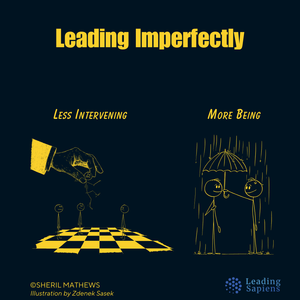
Effective leadership from the Rogerian perspective is less about what we do and more about who we are in the presence of others. Put simply, less intervening, more being.
Related Reading
 Sheril Mathews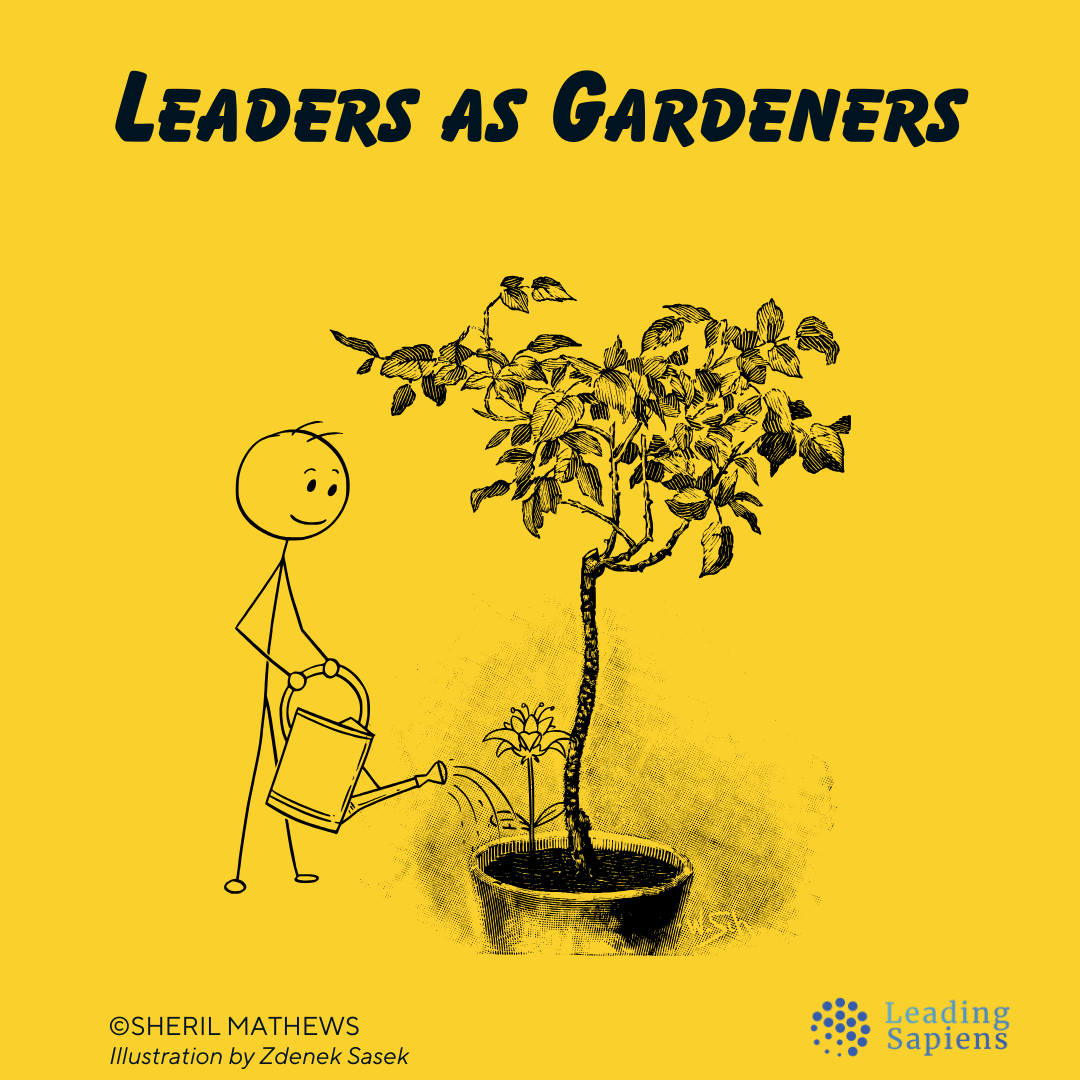
 Sheril Mathews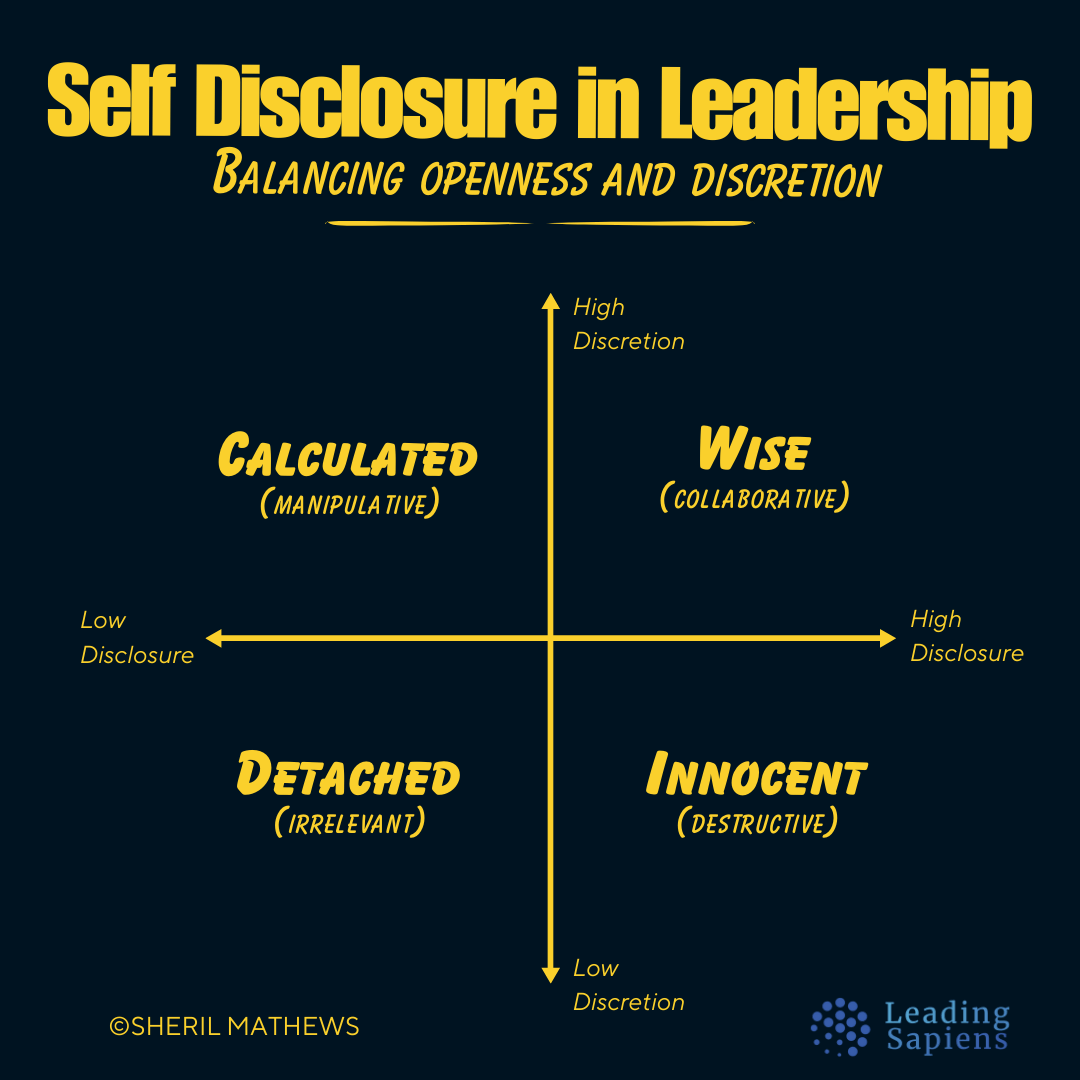
 Sheril Mathews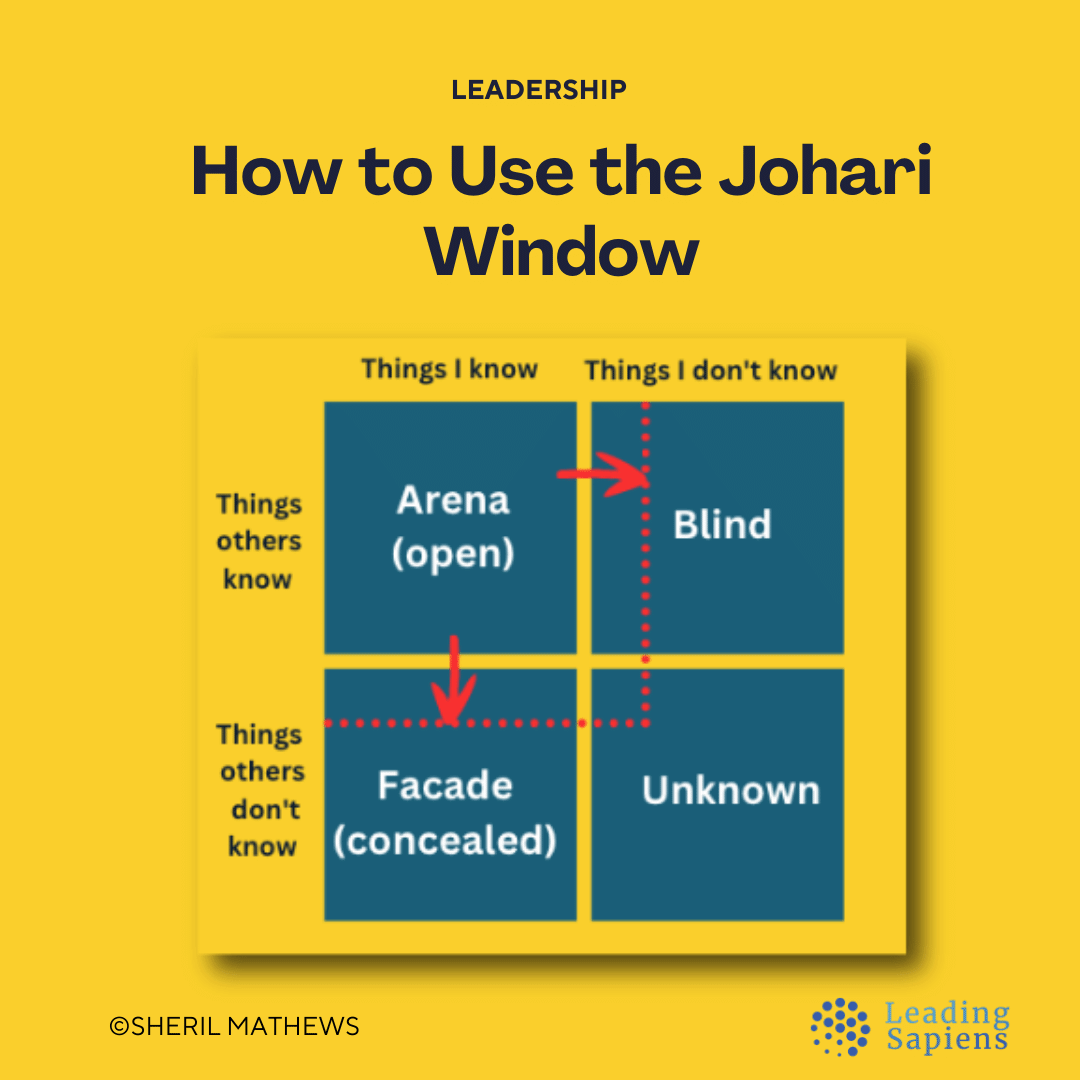
 Sheril Mathews
 Sheril Mathews
Sources
- Carl Rogers, A Way of Being.
- Carl Rogers, On Becoming a Person.
- Carl Rogers, On Personal Power.