

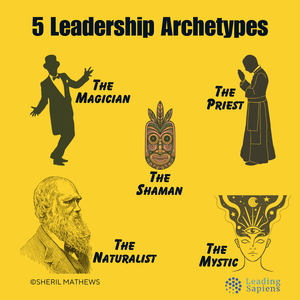
Joseph Luft in his now forgotten classic Of Human Interaction, has a section on leadership archetypes I found particularly useful, and entertaining. He based these archetypes — ancient patterns in how we influence others — on the work of anthropologist Merrill Jackson, which explains why these are uncannily accurate.
Luft explains the archetypes using his Johari window model. Each of the five archetypes —the Shaman, the Mystic, the Naturalist, the Priest, and the Magician—operates uniquely within the Johari Window, emphasizing different quadrants of awareness to achieve their ends. All have inherent strengths and traps.
It’s a useful, often entertaining, way for managers to recognize which styles they’re defaulting to and whether it truly serves their team’s current stage of development.
Before diving in, a brief primer. The Johari Window is a matrix of self-other awareness:
| Known to Self | UnKnown to Self | |
|---|---|---|
| Known to Others | Q1 - Open | Q2 - Blind |
| Unknown to others | Q3 - Hidden | Q4 - Unknown |
Every interaction shifts this window—through disclosure (Q3 → Q1), feedback (Q2 → Q1), self-discovery (Q4 → Q1), or concealment. The leader’s type reveals which quadrants they operate from most frequently, and which they ignore or misuse.
The Shaman
You probably known someone who doesn't just enter a room, but seems to become the room. There’s a certain magnetic pull to them—an ability to influence through the sheer force of personality. In Luft’s typology, this figure is the Shaman.
Unlike the "Naturalist" leader who stays focused on factual, impersonal tasks, the Shaman's power is personal. They deal with you to call attention to themselves and to enhance their own image. Their influence is built on a foundation of craft, charm, and a high degree of interpersonal cunning.
They are masters of social prediction. They know intuitively how you will respond to certain actions, and reveal bits of information in a calculated way to show how admirable and capable they are. By demonstrating this power, they encourage you to rely on them, be impressed by them, and ultimately, trust them. Shamans make you feel better, convinced you’ve been in the presence of someone truly wonderful.
In Johari terms, their go-to move is skillful disclosure from the third quadrant (the Hidden Self) into the first quadrant (the Open Self). However, this is not the vulnerable, raw disclosure advocated by some. Rather it’s impression management designed to elicit a specific response:
- They pay close attention to step-by-step disclosure, carefully noting the effect it has on others.
- Because they enjoy being admired, external validation makes them appear more confident and more spontaneous, which in turn makes the audience more enthralled.
- They are aware of their performance (Q1), playing off what they think you see (Q2), and selectively pulling from their hidden storehouse (Q3).
Whether loud or quiet, the constant is that the focus is always on the leader's personality. When highly capable, the Shaman becomes a charismatic leader, where their vivacity and forcefulness can be spectacular.
Every leadership style has its trap and for the Shaman, it’s the preoccupation with what they do to people rather than what they do with them.
- People may learn from and be excited by the Shaman, but often struggle to transfer that learning to other situations where the Shaman’s charisma is absent. This creates a hangover where the relationship feels let down once the performance ends.
- The Shaman may fail to truly connect with others who have their own narcissistic needs, leading to a clash of personalities.
- They maintain the facade of being an open book. In reality, they're using the appearance of openness to maintain a highly controlled image.
The Mystic
Sometimes, the most effective form of leadership is the potential you perceive in others—potential they haven’t even recognized in themselves. In Luft’s taxonomy, the Mystic operates with a surgical precision, bypassing the ego to focus on others’ untapped potentials.
Unlike the Shaman who uses personal charisma to enthrall, the Mystic leads by engaging with the Unknown Area (Q4) of those they lead. In the Johari Window, their primary mode of interaction is a bridge between their Open Area (Q1) and the follower’s Unknown Area (Q4).
While most leaders are preoccupied with what’s visible—performance metrics, public behavior, and stated goals—the Mystic is a diviner of latent talent.
They operate on the assumption that every individual possesses unrealized potential. By relating to each person as a matchless individual, the Mystic acts as a medium through which others can gain access to their own storehouse of wisdom and skill. They do not simply tell others who they are. Instead, they create the conditions for others to discover themselves.
What distinguishes the Mystic from more manipulative archetypes is genuine altruism:
- The Mystic does not deal with others to enhance their own image or elicit approval. While the Shaman needs admiration to fuel their spontaneity, the Mystic holds their own needs aside to focus entirely on the growth of others.
- Most leadership models inadvertently create dependencies. The Mystic, however, relates to others without seeking to create this dependency. The goal is not to mold others into a specific shape, but to facilitate their movement toward self-determination.
The Mystic’s approach is vital to modern organizations. They provide a sanctuary—a safe, high-trust relationship for real growth. By providing support for self-discovery, the Mystic helps others transition toward authentic self-confidence. The result is people who come away enriched and self-reliant, rather than enthralled or trapped in a hangover once the leader is gone.
Leading as a Mystic is probably the most difficult of the five archetypes to sustain because of the immense inner strength it requires. It’s a high-wire act of interpersonal discernment:
- A Mystic who is not truly self-sufficient may experience a sense of being used or unappreciated, leading to sourness that poisons the relationship.
- It requires an extraordinary ability to sense both what’s going on in oneself and others simultaneously, all while maintaining a large open area so that the leader’s own blind spots do not cloud the perception of others’ potential.
The Naturalist
Many leaders treat every interaction as a math problem to be solved rather than a human experience. In the typology of leadership archetypes, this is the Naturalist who relies on the cold, clear light of technical rationality. To them, the interpersonal dynamics are not a dance but a set of explicit objectives to be managed.
The Naturalist functions primarily as a technician or an engineer of human interaction. Their worldview is defined by:
- Realistic stance: They want to find the core of a problem and address it directly through empirically tested methods.
- Impersonal conduct: They view personality as something that should be kept out of the work. On the job, they are cool and skillful, often appearing machine-like because they prioritize technical data over messy emotional dynamics.
- Irrelevance of affect: Feelings are considered irrelevant noise that distracts from the primary goal.
This mode is common in professionalized sectors. Consider the physician respected for their clinical results but criticized by patients for being cold—inspecting and poking the patient as if they were a piece of complicated machinery rather than a person.
In the Johari Window, the Naturalist operates exclusively within a specific vertical column:
- They thrive on direct communication where everything is explicit and aboveboard (Q1 Open Area). Their operating style involves well-planned designs, clear stipulations for every stage of work, and formal, didactic explanations.
- For them, Q3 (hidden area) is not a place for secrets, but a "factual storehouse" of knowledge and skill to be drawn upon as the task requires.
- Because they value certainty, the Naturalist has little interest in the Blind(Q2) or the Unknown Area (Q4). They assume that if everyone is sufficiently motivated and organized, there is no need to probe into unacknowledged feelings or unconscious motives.
The Naturalist is highly respected because they deliver results. However, this relentless focus comes with a significant relational cost. By treating the second and fourth quadrants as non-existent, the Naturalist inadvertently creates lost opportunities.
When a leader ignores the nutrients of the fourth quadrant—emotions, intuitions, and other intangibles—the relationship eventually loses its vitality and commitment. Communication may flow in a predictable and efficient way, but ultimately superficial and unsatisfying for those who crave confirmation as whole individuals.
The Priest
There’s one archetype that’s more pervasive than all others in large modern organizations. It’s that of The Priest — where the individual is less important than the office they hold.
Instead of personal charm like the Shaman, their power is borrowed through institutional influence. Authority derives from a powerful hierarchy—be it a multinational corporation, rigorous academia, or a long-standing government institution.
Priests live and breathe the institution, maintaining social order by invoking four primary motifs:
- Continuity: The Priest emphasizes the past, present, and future of the organization. They act as a bridge between the founding legends and the future goals, ensuring that the "way we do things here" remains intact.
- Hierarchy: Authority is not earned through a popularity contest but granted by the status held within the power structure. They use "great names" and previous legends of the institution to inspire reverence and provide a roadmap for others to follow.
- Election: Membership is a privilege that must be earned. Before a recruit is welcomed into the inner circle, they must endure trials of initiation and discipline, essentially undergoing a self-transformation to fit the institutional mold.
- Mission: The organization is portrayed as having a purpose that transcends any single member. The Priest leads with a missionary zeal for this objective, requiring others to align their personal identity with the collective mission.
The Priest’s interaction pattern is complex:
- Their public self (Q1) is often a "coerced mask" provided by the role they play. They speak as an agent of the institution, using formal language and processes that have been established for generations.
- While they present a clear institutional front, the Priest holds a large store of protected information (Q3) about the internal workings of the power structure, only revealing it to those who have passed the trials of election.
- Perhaps the most distinctive quality of the Priest is their role in mediating the mysterious and awe-inspiring forces that define the organization's deeper purpose. By performing established rituals, they make these unknown potentials (Q4) feel manageable and safe for the collective.
Why do people follow the Priest?
Because they offer the one thing the individual cannot find alone: certainty. Individual differences tend to disappear beneath the weight of the institution’s mission. This provides followers with a sense of membership in an omnipotent authority, which serves as a powerful container for the collective anxiety of the group. The trade-off, of course, is the loss of individual initiative.
The Magician
What happens to a team when the source of their leader's power is entirely hidden from view? Of all the archetypes, the Magician is the most enigmatic.
The Magician operates in the cool, dimly lit corridors of the “Hidden” and "Unknown" areas of the Johari Window. They’re like a black box that produces results without ever revealing its mechanics. Their influence doesn’t flow from the "Open Area" of shared information, but from what is withheld and what’s yet to be discovered.
The Magician relies on arcane complex rules or a unique methodology that no one else can duplicate. This is material deliberately moved into the Hidden area (Q3). He sets up his own work conditions and follows a process that he never fully explains, using secrecy as the primary mechanism of power.
The Magician acts as if he is in touch with the essence of things that others cannot penetrate. He is guided by hidden cues and a logic that transcends rational, Open Area (Q1) approaches.
The relationship between a Magician-leader and their followers is one of the most asymmetrical. The leader leads from the shadows, even as others are expected to follow on faith.
- The Magician demands that followers trust his "magic" without fully understanding his ways. In the context of trust, this is the belief that the leader can produce the gold without an understanding of the context or "why".
- Others are often rendered passive and reliant. They do not relate to the Magician as a person so much as they rely on the results.
- Because the Magician’s power depends on the boundary between what is known and what’s hidden, any accidental "leakage" from Q3 to Q1 can be devastating. If the "magic" is explained, it ceases to be magic, and the leader may feel a loss of control over their influence.
Before you dismiss the magician as an ancient archetype irrelevant to modernity, think again. In today’s world, the Magician appears in the guise of the elite technical expert or the proprietary consultant. This is the leader who manages through arcane rules—complex algorithms, legal maneuvers, or specialized jargon that's over other's heads.
The Magician produces order out of chaos not by teaching the team how to navigate the turbulence, but by a performance that "snatches structure and certainty out of the mouth of the dragon of chaos". While this can provide a temporary reprieve, it’s ultimately disempowering, as others learn to rely on the leader’s secret knowledge instead of developing their own.
In closing
Each leader type emphasizes some quadrants and avoids others. It’s a mistake to assume anyone fits a single archetype perfectly. Most leaders are a mixed bag, such as the "charismatic naturalist" or the "priestly leader" who uses the Magician's secrets to maintain power.
The goal isn’t to pick a type. It’s to stay alert to your dominant quadrant, and to build flexibility across all others. From this perspective, leadership, rather than a mastery of technique, is the wise use of presence, perception, and power.
Related Reading on the Johari Window
 Sheril Mathews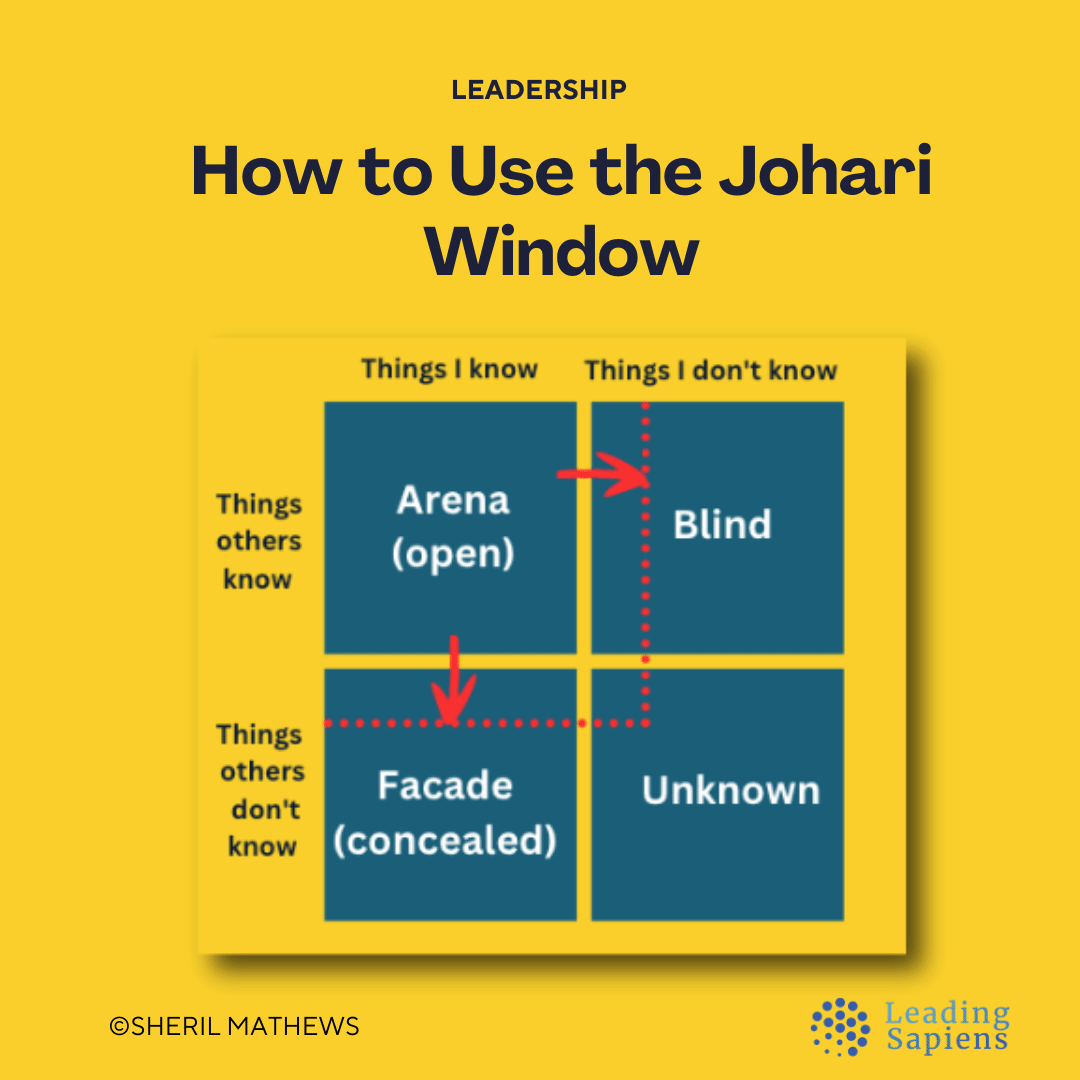
 Sheril Mathews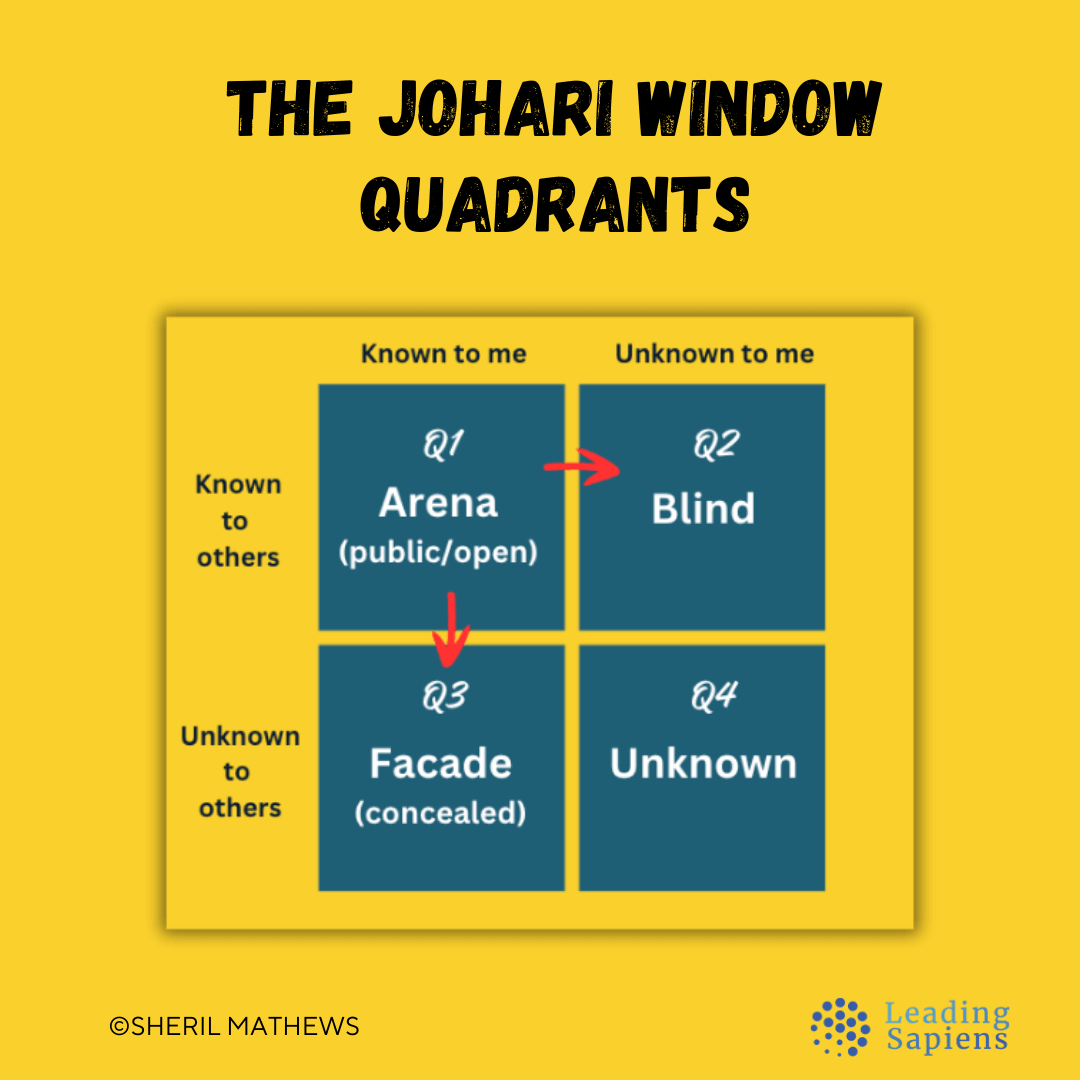
 Sheril Mathews
 Sheril Mathews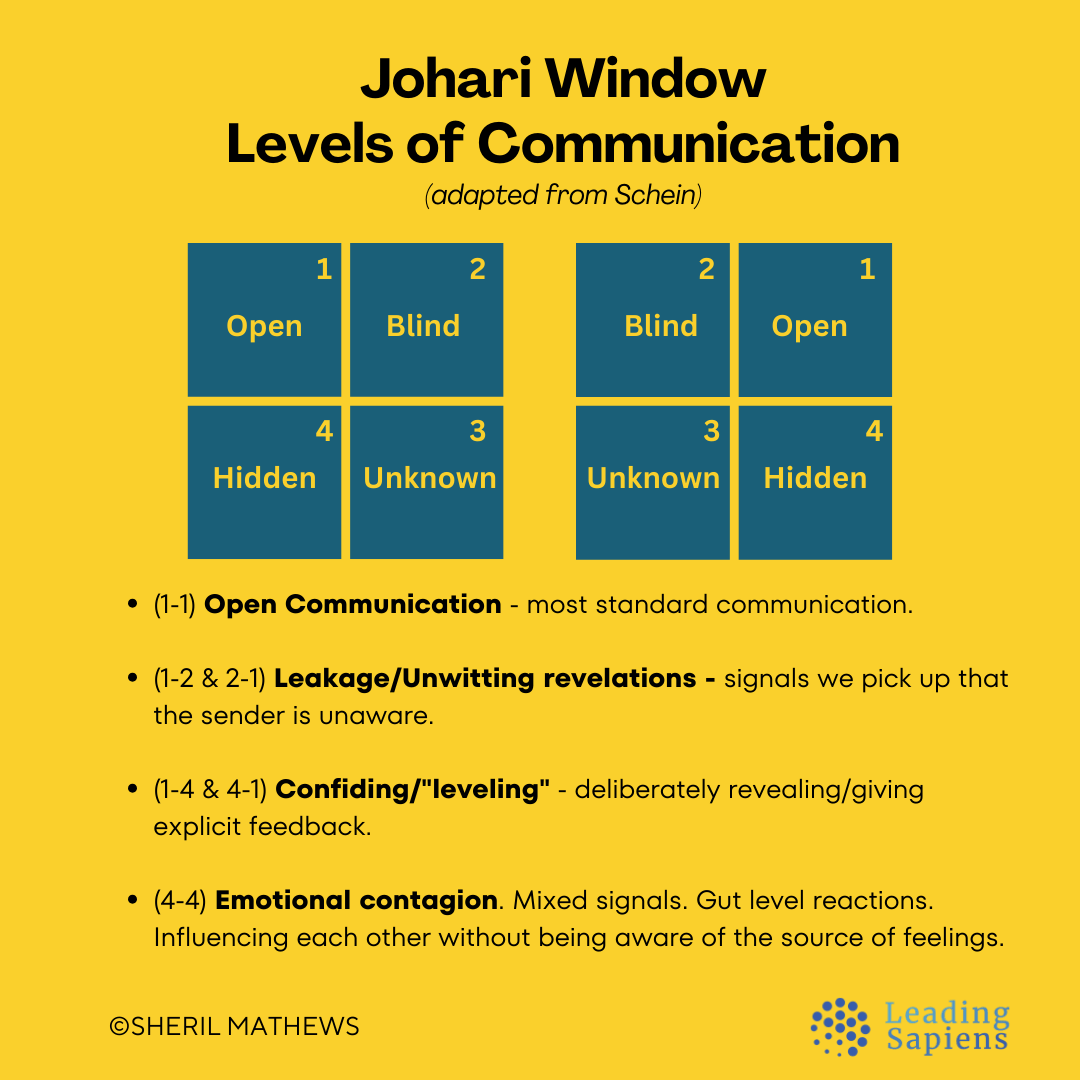
 Sheril Mathews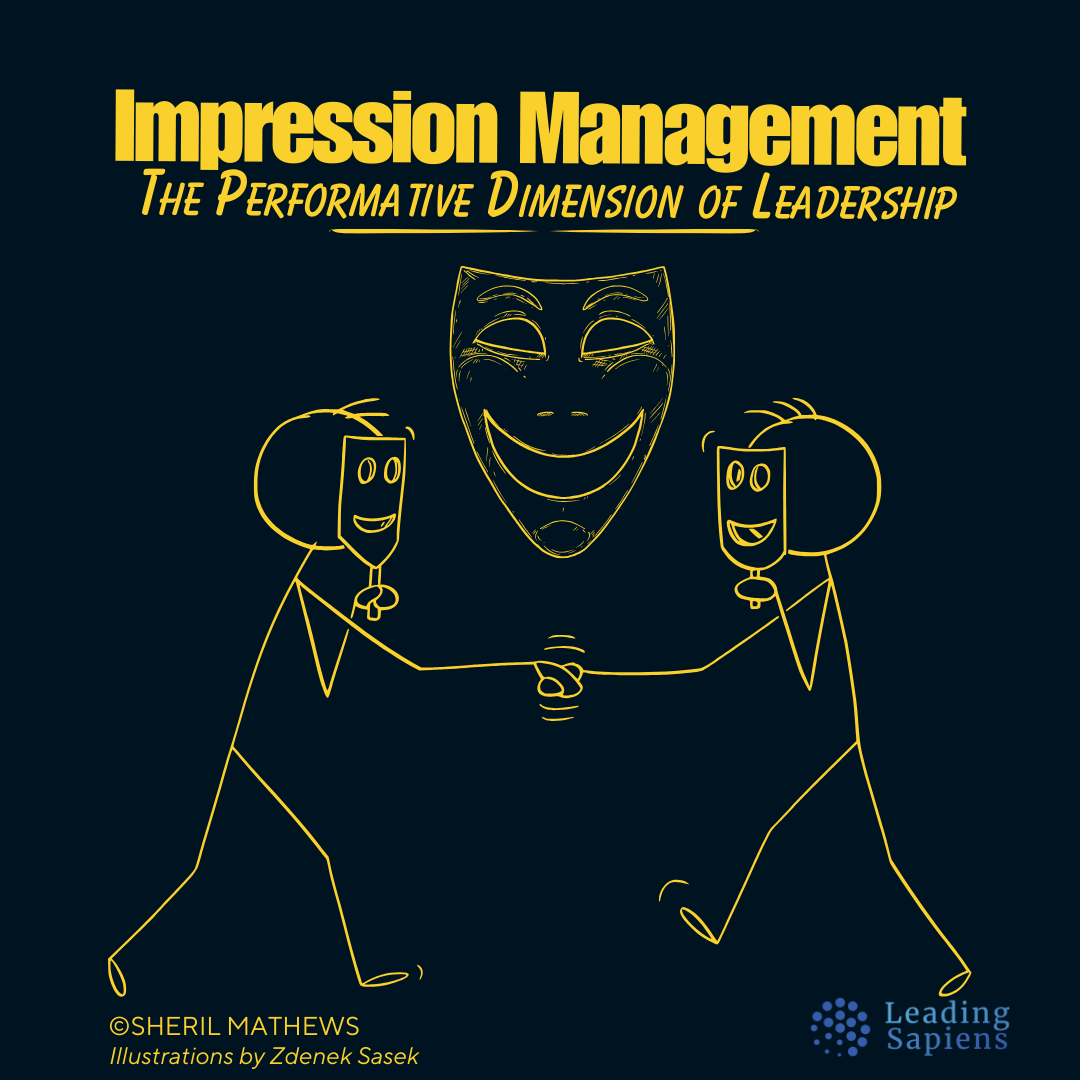
 Sheril Mathews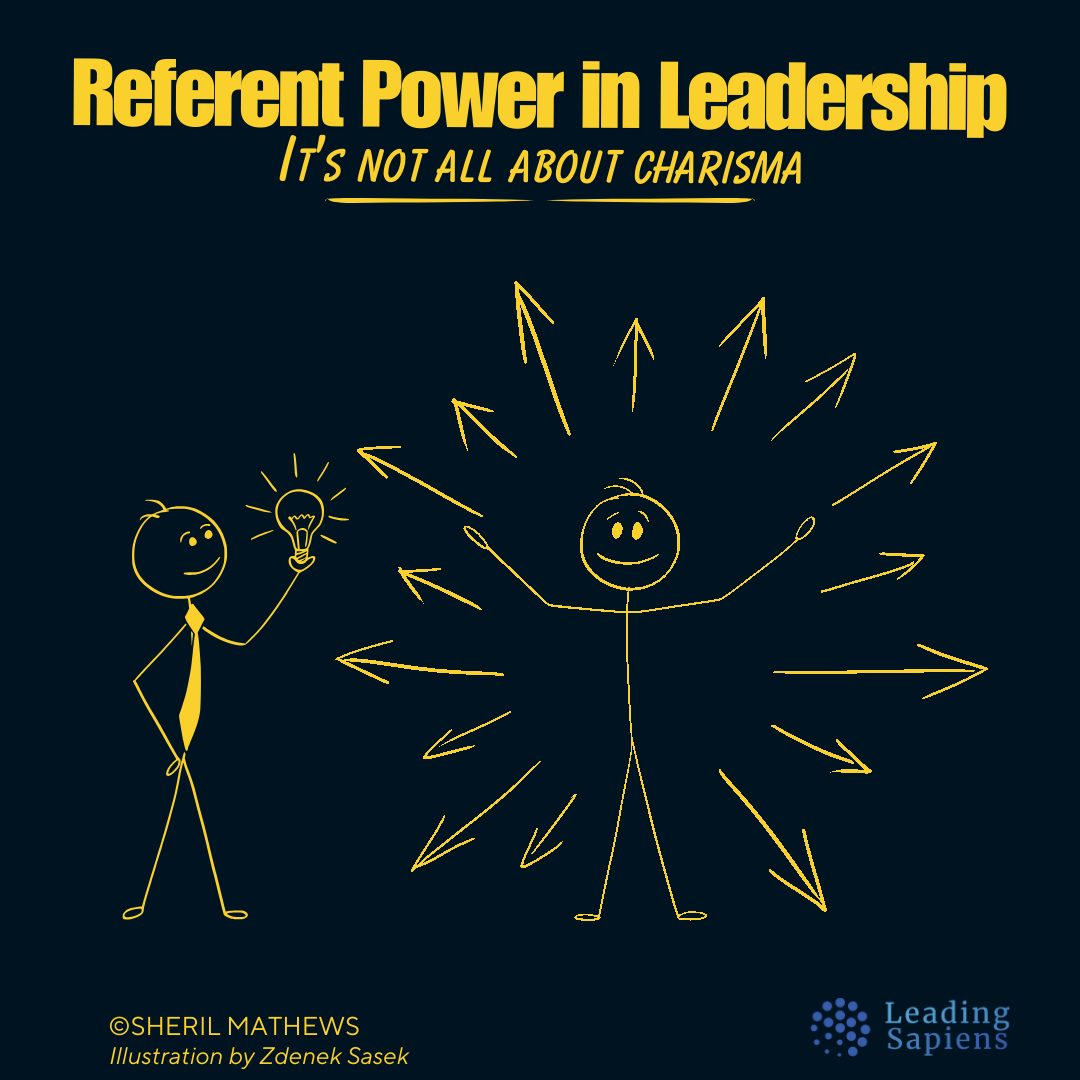
 Sheril Mathews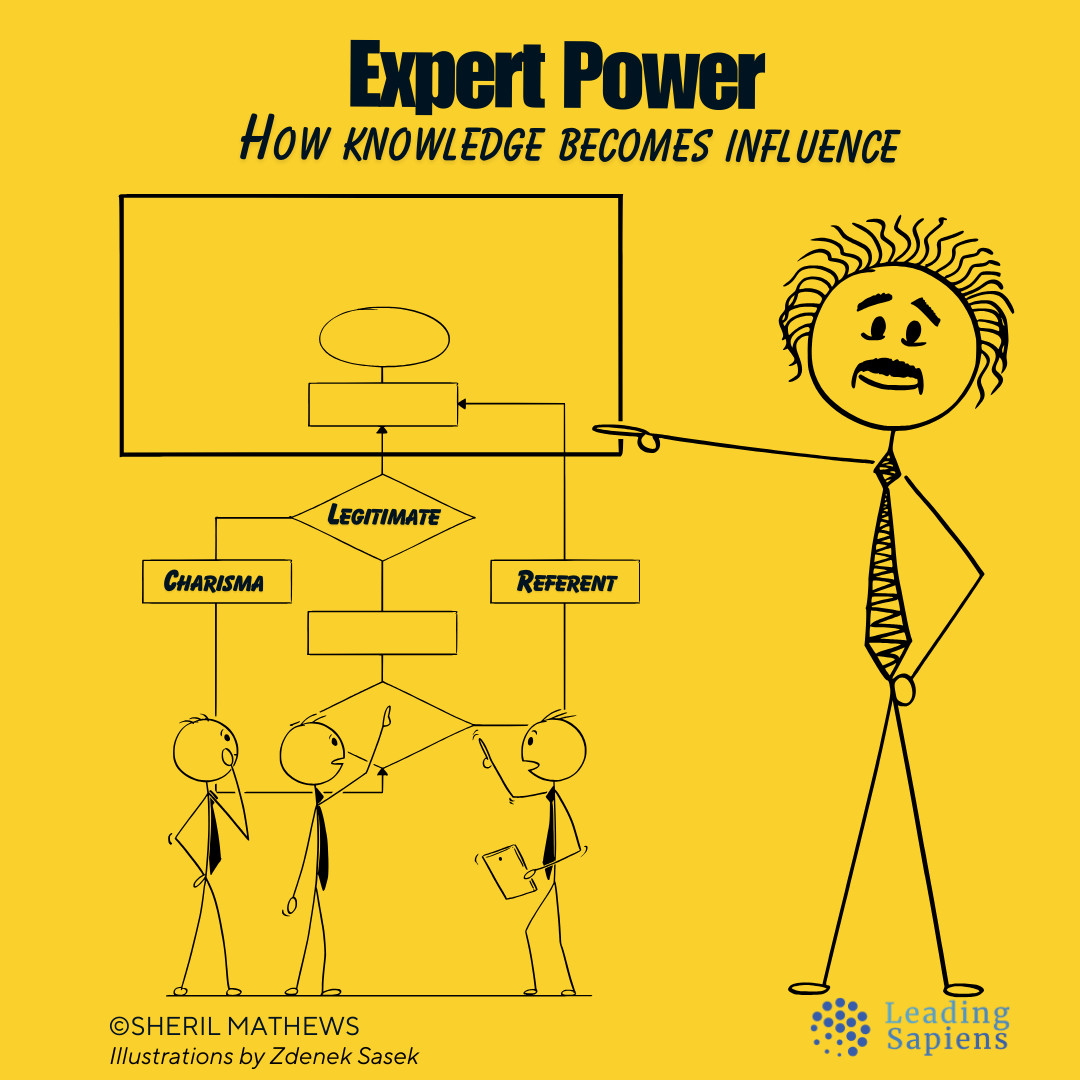
Sources
- Of Human Interaction by Joseph Luft.
- Hanson, P. (1973). The Johari window: A model for soliciting and giving feedback.
- Luft, Joseph, & Ingham, Harry, (1961). The Johari Window: A Graphic Model of Awareness in Interpersonal Relations.
- The New Johari Window by William Bergquist